
Cruise Ship Seawater Desalination: Ensuring Safe and Reliable Freshwater at Sea
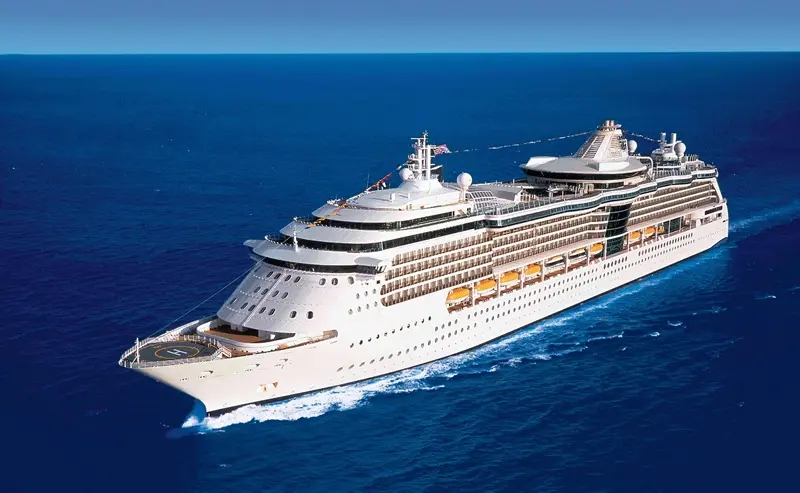
Ensuring a safe and reliable freshwater supply is a critical challenge for cruise ships navigating the open ocean. Modern vessels rely on advanced seawater desalination technologies, such as reverse osmosis (RO) and thermal distillation, to meet the daily water demands of passengers and crew.
At AAL Filter, we provide high-performance filtration solutions that support onboard RO systems, ensuring superior water quality, consistent output, and operational efficiency. From seawater pretreatment to mineralization and chlorination, AAL Filter products help cruise ships deliver safe, clean, and sustainable drinking water while minimizing maintenance and energy costs.
The Importance of Freshwater on Cruise Ships
Freshwater is essential for drinking, cooking, bathing, and engine operation. Cruise ships face unique challenges due to limited storage space, long voyages, and varying seawater conditions. Modern cruise ships typically require 150–250 liters per person per day, and engines and boilers also demand high-quality water. Ensuring a continuous freshwater supply is crucial for passenger safety and operational efficiency.
Evolution of Seawater Desalination on Ships
Seawater desalination on ships has a long history:
● 19th Century Steam Desalination: Steam engines enabled thermal distillation, allowing early ships to convert seawater into freshwater. Innovations included vacuum multi-effect evaporation, flash evaporation, and vapor compression.
● 20th Century Improvements: Standpipe evaporators and horizontal tube spray film evaporation enhanced efficiency. Solar desalination also emerged in Chile in 1872, producing 2 tons per day.
● Modern Era: Diesel, diesel-electric, and LNG-fueled ships have largely replaced thermal-only desalination with energy-efficient reverse osmosis systems.
Main Sources of Freshwater on Cruise Ships
● Shore Supply (Water Bunkering)
Water bunkering involves loading freshwater at port. While simple, it limits self-sufficiency and requires careful monitoring of water quality.
● Thermal Desalination (Evaporation/Distillation)
Steam evaporation uses engine heat to boil seawater, condense steam into freshwater, and remove salts. It is reliable but occupies substantial space and consumes significant energy. Modern evaporators include vacuum systems to improve production efficiency.
● Reverse Osmosis (RO)
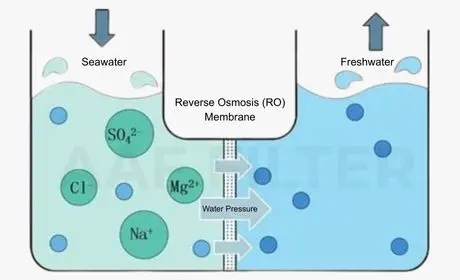
RO forces seawater through a semi-permeable membrane under pressure, removing salts and impurities. RO units are compact, modular, and highly efficient, making them ideal for modern cruise ships. Some ships use RO exclusively or in combination with thermal processes.
How Reverse Osmosis Works at Sea
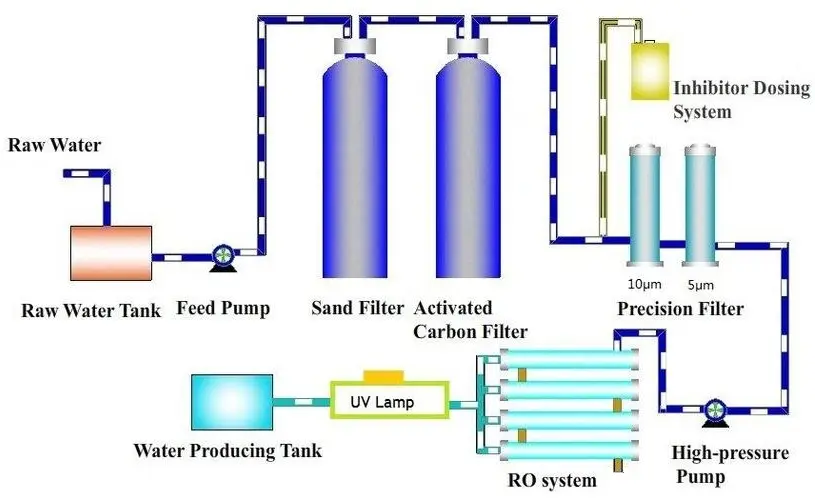
1.Pretreatment: Seawater passes through strainers, sand filters, and cartridge filters to remove debris, microorganisms, and colloids. Anti-scalant chemicals prevent membrane fouling.
2.RO Membrane Filtration: High-pressure pumps force seawater through membranes. Permeate (freshwater) passes through; brine (concentrated salts) is discharged.
3.Post-treatment: Mineralization, pH adjustment, and chlorination ensure the water is safe, palatable, and compliant with drinking water standards.
Challenges & Solutions:
● Membrane fouling → regular chemical cleaning and pretreatment.
● Energy consumption → low-energy membranes and energy recovery devices.
● Mineral removal → remineralization and pH balancing.
Water Safety and Quality Assurance
● All cruise ship drinking water complies with the U.S. Public Health Service Vessel Sanitation Program, maintaining free chlorine at 2–2.5 PPM.
● Sensors like pH, ORP, and conductivity meters continuously monitor water quality.
● Water is tested to remove bacteria, pyrogens, and impurities.
● Mineral content and vitamins (e.g., B12, D3) are retained or added to support passenger health.
Operational Considerations for Cruise Ship Desalination
● Space Constraints: Modular RO systems allow flexible installation in engine rooms or compact compartments.
● Maintenance: Pretreatment rinsing, membrane cleaning, and regular inspections maintain efficiency.
● Energy Efficiency: System design balances operational costs with output.
● Port Restrictions: RO systems usually operate beyond 50 meters from shore to prevent fouling from silt and pollution.
● Crew Training: Skilled personnel are essential for system monitoring and maintenance.
Challenges and Future Outlook
● High Water Demand: Long voyages require careful water management.
● Environmental Impact: Thermal desalination consumes energy and increases emissions; brine discharge may affect marine ecosystems.
● Future Trends:
Hybrid systems (RO + thermal).
Smart sensors and AI-based water management.
More efficient RO membranes and renewable-energy-powered desalination.
Sustainable water reuse and conservation measures.
FAQ
Q1: Is cruise ship tap water safe to drink?
A: Yes. All drinking water is desalinated, filtered, and monitored to meet strict safety standards.
Q2: Do all cruise ships use reverse osmosis?
A: Many modern ships use RO, sometimes combined with thermal processes. Smaller or older ships may rely on evaporators or shore bunkering.
Q3: How much freshwater does a cruise ship need per day?
A: Average domestic water consumption per person is 150–250 liters/day; engine and boiler needs vary by ship type and power.
Q4: Can desalinated water taste like bottled water?
A: RO water is mineralized and treated to ensure taste and pH balance comparable to high-quality bottled water.
Q5: Why can’t RO plants operate in port?
A: Shallow, silt-rich water may foul membranes. RO operation typically begins once the ship reaches deeper waters (~50 meters).
Conclusion
Cruise ship desalination has evolved from early steam distillation to modern reverse osmosis, ensuring a reliable and safe freshwater supply. RO systems provide high-quality water efficiently and flexibly, while advanced monitoring and treatment maintain safety. Future developments will enhance energy efficiency, sustainability, and intelligent water management, ensuring passengers always enjoy safe, clean water at sea.
Why Choose AAL Filter Cartridges
AAL Filter provides high-performance RO pre-treatment cartridges for cruise ships, helping to achieve:
● Safe and Reliable Water Quality: Effectively removes suspended solids, impurities, and microorganisms from seawater, protecting RO membranes from fouling.
● Extended Membrane Lifespan: Efficient cartridge design reduces scaling and contamination, prolonging RO system operation.
● Reduced Maintenance Costs: Easy-to-replace cartridges simplify maintenance and minimize downtime and labor.
● Stable Water Flow and Production: Ensures consistent RO system performance to meet daily freshwater needs onboard.