
Fluid Filtration Explained: How It Works and Where It’s Used
Introduction
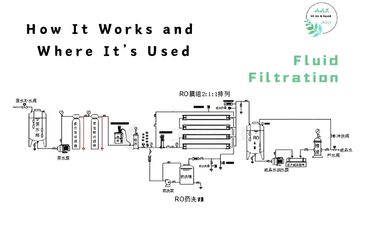
Liquid filtration, also known in some contexts as fluid filtration, is one of the most essential processes in modern industry and daily life. From producing clean drinking water to ensuring the purity of pharmaceutical ingredients, liquid filters play a critical role in protecting equipment, improving product quality, and meeting regulatory standards. Unlike other separation methods such as distillation or centrifugation, liquid filtration relies on physical barriers and filter media to remove unwanted contaminants.
In this article, we will explore the principles of liquid filtration, the main contaminants it removes, the industries where it is widely used, and the typical products used in different stages of the process. We will also discuss key factors influencing performance and future trends in the filtration market.
Principles of Liquid Filtration
At its core, liquid filtration works by passing a fluid through a porous medium, where unwanted substances are trapped and clean liquid flows through. The main mechanisms include:
Mechanical Retention – Particles larger than the filter’s pore size are physically blocked.
Adsorption – Fibers or filter materials capture fine particles or dissolved substances through surface interactions.
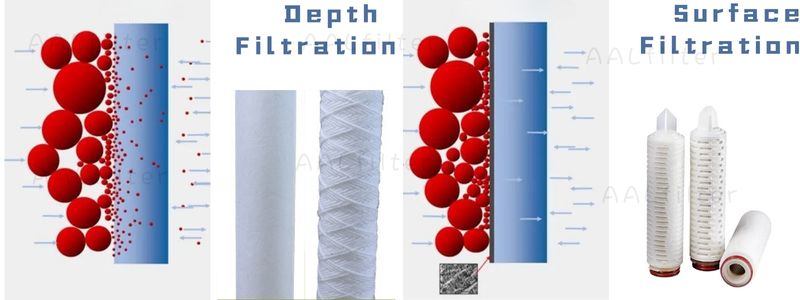
Depth Filtration – Contaminants are gradually captured throughout the depth of the filter media, not just on the surface.
The micron rating of a filter defines its filtration precision. Absolute-rated filters guarantee removal of particles above a specific size, while nominal-rated filters achieve partial efficiency. Additionally, fluid properties such as viscosity, temperature, and chemical composition significantly impact the filtration process and filter selection.
What Does Liquid Filtration Remove?
The primary objective of liquid filters is to ensure that liquids are clean, safe, and suitable for their intended use. Contaminants commonly removed include:
Solid particles: dust, rust, sand, and sediments.
Colloidal substances: small suspended solids that cause turbidity.
Oil and organic matter: residual hydrocarbons, greases, or natural organics.
Microorganisms: bacteria, yeast, mold, and algae.
Chemical impurities: chlorine, heavy metals, volatile organic compounds (VOC), often handled by activated carbon filters.
By removing these impurities, liquid filtration not only improves product quality but also protects downstream equipment such as pumps, membranes, and process lines.
Industries that Rely on Liquid Filtration
1. Food and Beverage
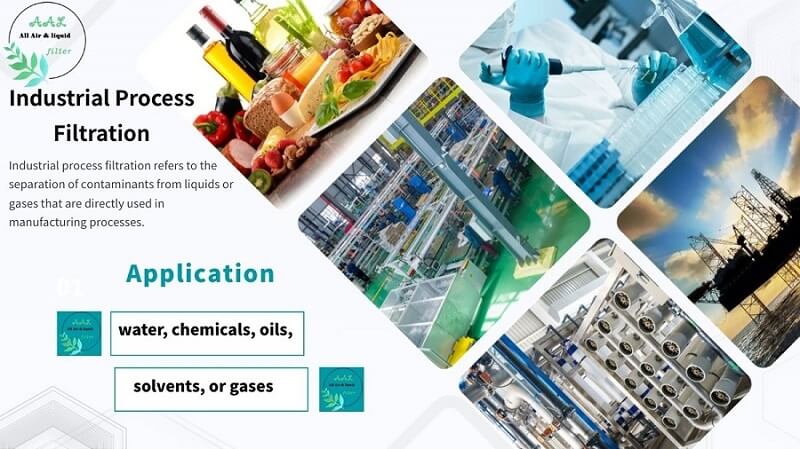
In breweries, dairy plants, and bottled water production, filters ensure clarity, taste, and safety. Common applications include water treatment, wine clarification, and removal of microorganisms.
2. Pharmaceutical and Biotechnology
Sterile filtration is critical in the pharmaceutical industry. Membrane filters and pleated cartridges are widely used to ensure that injectable drugs, vaccines, and fermentation broths are free from bacteria and particles.
3. Petrochemical and Chemical Processing
Liquid filters are used to clean fuels, lubricants, and chemical solutions. They prevent catalyst poisoning, protect reactors, and improve product consistency.
4. Electronics and Semiconductor
Ultra-pure water (UPW) is essential in semiconductor manufacturing, and advanced fluid filtration systems are often designed to handle both liquids and gases in cleanroom environments.
5. Water Treatment and Wastewater Management
Municipal water plants and industrial wastewater treatment facilities rely on liquid filters as part of multi-stage treatment systems. Filters remove suspended solids before advanced processes like ultrafiltration or reverse osmosis.
6. Automotive and Manufacturing
Cutting fluids, coolants, and lubricants require filtration to extend service life and maintain product quality.
Key Products Used in Liquid Filtration
1. Pre-Filtration (Coarse Filtration)
Melt Blown Filter Cartridges: Made from polypropylene, these filters provide depth filtration and are ideal for removing larger particles.
String Wound Filter Cartridges: Economical and widely used for sediment removal in water and chemical applications.
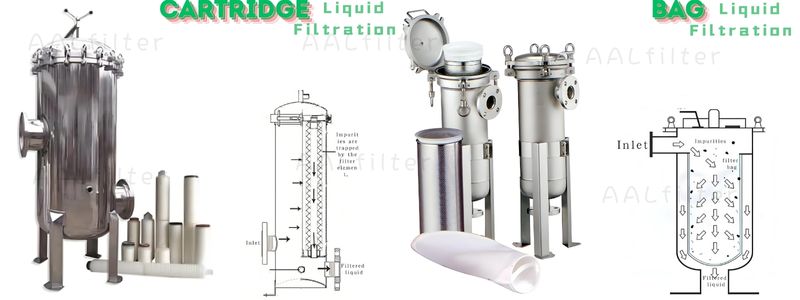
Filter Bags: Suitable for high flow and bulk liquid filtration, commonly used in paints, inks, and wastewater treatment.
2. Fine Filtration
Pleated Filter Cartridges: Large surface area, higher dirt-holding capacity, suitable for food, beverage, and pharmaceutical applications.
Activated Carbon Filters: Efficient at removing chlorine, odors, colors, and organic compounds.
3. High-Purity and Critical Filtration
Membrane Filters: Made of PES, PVDF, Nylon, or PTFE, designed for high precision applications requiring microbial and fine particle removal.
Capsule Filters: Compact and pre-sterilized, commonly used in laboratories and small-scale production.
4. Filter Housings and Systems
Water Filter Housings: Plastic or stainless-steel housings designed to hold filter cartridges.
Bag Filter Housings: For industrial-scale liquid filtration, compatible with multiple filter bag sizes.
These products often work in multi-stage liquid and fluid filtration systems, where coarse filters protect finer filters, extending service life and reducing overall cost.
Factors Influencing Filtration Performance
For optimal results, several factors must be considered:
Micron rating selection: Matching filter precision to application needs.
Filter material compatibility: Ensuring chemical resistance to process fluids (PP, Nylon, PTFE, PES, etc.).
Operating environment: Pressure, temperature, and flow rate affect filter performance.
Differential pressure (ΔP): Monitoring pressure drop across filters to avoid premature failure.
Maintenance and replacement cycles: Regular replacement prevents contamination and ensures consistent performance.
Trends and Innovations in Liquid Filtration
The liquid filtration market continues to evolve, driven by stricter quality standards and sustainability goals. Current trends include:
High-Flow Filters: Large diameter cartridges that handle higher flow rates with fewer elements.
Sustainable Filter Media: Development of recyclable and eco-friendly filter materials.
Automation: Smart monitoring systems that track filter performance and predict replacement needs.
Customized Solutions: Tailored filtration systems designed for specific industries and process challenges.
Conclusion
Liquid filtration is an indispensable process across industries, ensuring product safety, regulatory compliance, and operational efficiency. By selecting the right combination of liquid filters, filter housings, and system design, companies can reduce costs, protect equipment, and deliver high-quality products.
As industries demand cleaner fluids and more efficient operations, innovations such as high-flow cartridges, sustainable materials, and automated systems will shape the future of liquid filtration.
For businesses, investing in reliable liquid filtration solutions is not just a matter of compliance—it is a key to achieving operational excellence and long-term sustainability.