
Why Data Centers Need Filtration in Liquid Cooling Systems
As data centers evolve to support artificial intelligence, cloud computing, and hyperscale operations, cooling systems are becoming more powerful—and more complex.
While much attention is given to energy efficiency and water consumption, one fundamental factor is often overlooked:Data center filtration.
Without proper filtration, chilled water systems, cooling towers, and liquid cooling loops become vulnerable to fouling, corrosion, microbial growth, and unplanned downtime.
In today’s high-density AI-driven environments, filtration is no longer optional—it is mission-critical.
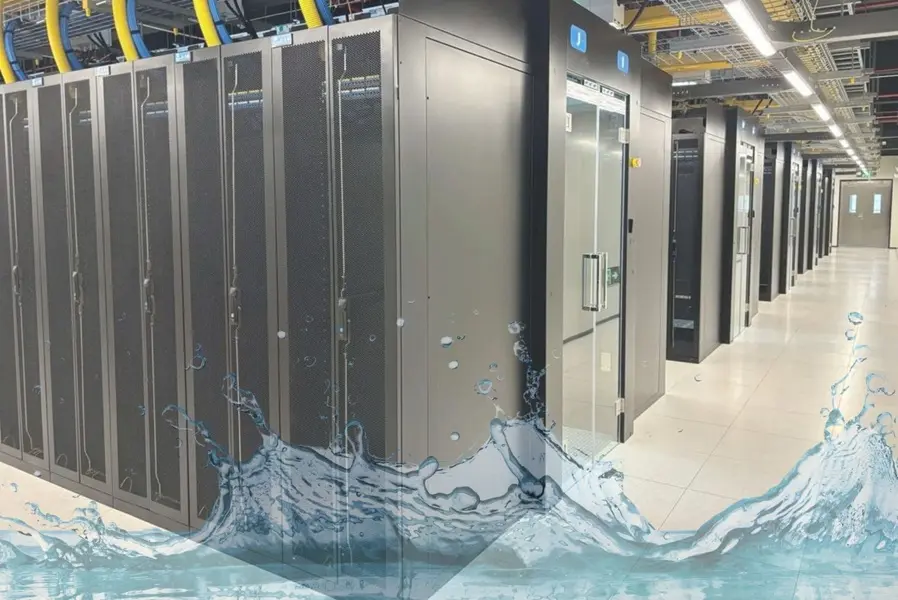
The Cooling Backbone of Data Centers: Closed and Open Water Loops
Modern data centers rely heavily on water-based cooling systems because water can absorb significantly more heat than air.
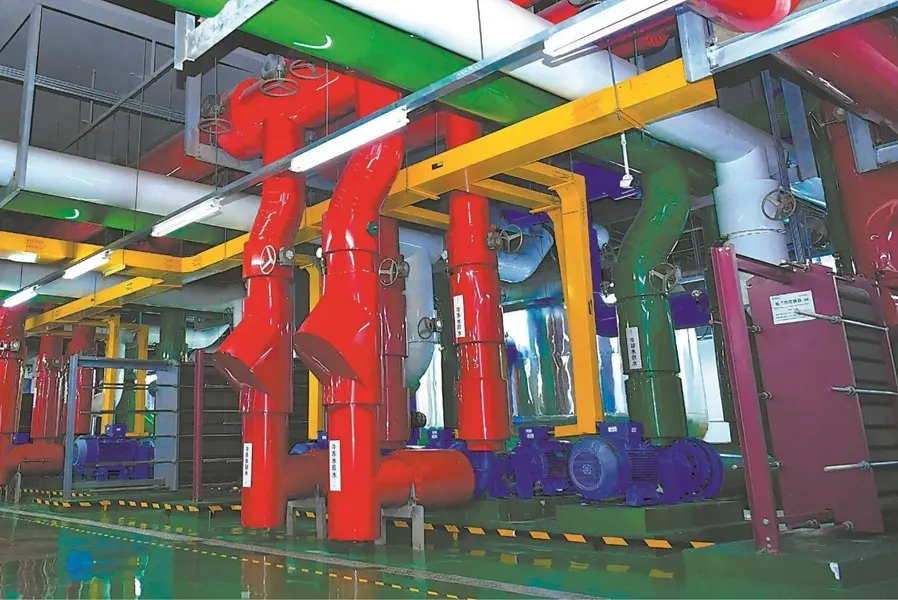
Typical cooling infrastructure includes:
● Chilled water loops
● Cooling towers
● Plate or shell-and-tube heat exchangers
● Direct-to-chip liquid cooling systems
● Immersion cooling systems
● Pumping and distribution networks
All of these systems depend on clean, controlled fluid conditions to operate efficiently.
Even small amounts of contamination can significantly impact thermal transfer performance.
Where Do Contaminants Come From in Data Center Cooling Systems?
1. Construction and Pre-Commissioning Debris
During construction and system expansion, contaminants enter piping systems, including:
● Welding slag
● Rust flakes
● Mill scale
● Metal shavings
● Dust and installation debris
Without proper flushing and filtration during pre-commissioning, these solids circulate through the system and damage sensitive equipment.
2. Operational Corrosion and Scaling
Over time, even well-designed chilled water systems generate:
● Iron oxide particles
● Corrosion byproducts
● Mineral scale
● Biofilm
● Iron-reducing bacteria (IRB)
● Sulfate-reducing bacteria (SRB)
These contaminants contribute to microbiologically induced corrosion (MIC), reduced heat transfer efficiency, and premature equipment failure.
3. Cooling Tower Airborne Contamination
Open cooling towers continuously introduce:
● Dust
● Sand
● Organic matter
● Airborne pollutants
Without proper cooling tower filtration, solids accumulate in basins and foul heat exchangers.
What Happens Without Proper Data Center Filtration?
Failure to implement effective chilled water filtration can lead to:
● Heat exchanger fouling
● Reduced cooling capacity
● Increased pump energy consumption
● Lower cycles of concentration
● Higher Water Usage Effectiveness (WUE)
● HigherPower Usage Effectiveness (PUE)
● Accelerated corrosion
● Increased risk of system leaks
● Unexpected downtime
Studies indicate that cooling system failures account for nearly 19% of data center outages—many directly linked to water quality issues.
What Type of Filtration System Do Data Centers Require?
Filtration requirements vary depending on the stage of operation and cooling design. A robust data center filtration strategy typically includes multiple layers of protection.
1. Pre-Commissioning Flushing & High Flow Filtration
Before a chilled water system is placed into service, thorough flushing and particulate removal are essential.
Pre-commissioning filtration systems must:
● Handle extremely high flow rates
● Support multiple micron ratings
● Remove mill scale, welding slag, and debris
● Operate continuously under heavy solids loading
High flow cartridge filter housing systems are ideal for this phase, offering:
● Large dirt-holding capacity
● Fast bag or cartridge changeout
● Minimal downtime
Without proper flushing filtration, contaminants become permanently embedded in the system.
2. Continuous Chilled Water Filtration (Operational Stage)
Once operational, data centers require continuous filtration to maintain stable water chemistry.
Best practice includes:
● Side-stream filtration to remove circulating particulates
● Filtration to ≥10 microns (per ASHRAE recommendations)
● Protection of plate heat exchangers and precision liquid cooling plates
● Monitoring differential pressure
High flow cartridge filtration is particularly effective in large facilities where flow volumes are substantial and pressure drop must remain low.
3. Cooling Tower Filtration
Open-loop cooling towers demand aggressive solids management due to airborne contamination.
Effective cooling tower filtration:
● Prevents basin sludge buildup
● Protects downstream chillers
● Reduces chemical treatment demand
● Improves system heat transfer efficiency
4. Liquid Cooling & High-Purity Loop Filtration (TCS Systems)
As AI and high-performance computing expand, direct liquid cooling (DLC) systems require stricter water quality control.
Technology Cooling Systems (TCS) often require:
● Filtration down to 10 microns or finer
● Deionization systems
● Corrosion inhibitors (e.g., BTA)
● Stainless steel wetted components
Carbon steel housings are increasingly avoided because corrosion can introduce iron contamination into high-purity loops.
5. Why Stainless Steel Filter Housing Is Essential
Modern hyperscale data centers increasingly mandate stainless steel filter housings because:
● They prevent iron contamination
● They resist corrosion
● They reduce microbiological growth risk
● They extend system lifespan
● They meet strict water purity requirements
Stainless steel construction is especially critical in advanced direct liquid cooling applications.
AALFilter Solution: ASHH Series Stainless Steel Horizontal High Flow Cartridge Filter Housing
To meet the demands of large-scale chilled water filtration and liquid cooling systems, AALFilter offers:
ASHH Series Stainless Steel Horizontal High Flow Cartridge Filter Housing
Designed specifically for high-capacity data center filtration applications.
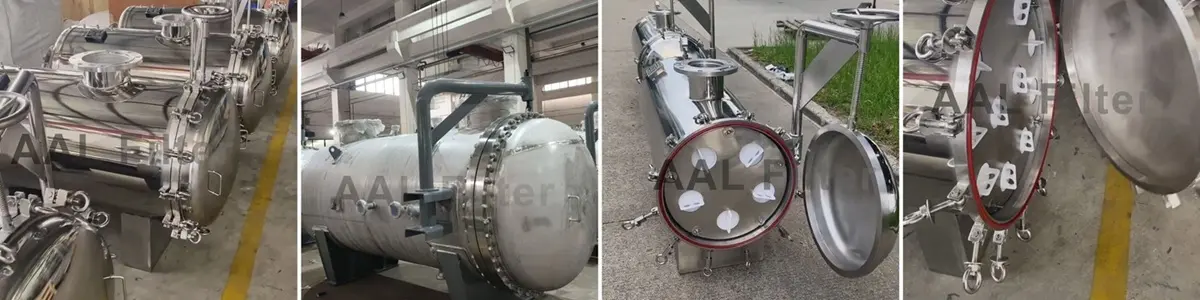
Key Features
● Full stainless steel construction (304 / 316L)
● Horizontal design for large flow systems
● Configurable 1–5 pcs 40” high flow cartridges, Custom configurations are available upon request.
● Low pressure drop
● Large dirt holding capacity
● Customizable inlet/outlet connections
● Easy maintenance and cartridge replacement
Ideal Applications
● Chilled water filtration
● Cooling tower loop protection
● Pre-commissioning flushing
● AI liquid cooling systems
● Hyperscale data center facilities
The ASHH Series ensures stable system performance, protects heat exchangers, and supports long-term water efficiency goals.
Filtration Is No Longer Optional
As computing density increases and sustainability requirements tighten, data center filtration becomes a foundational element of infrastructure reliability.
Clean water means:
● Lower PUE
● Better WUE
● Reduced maintenance
● Extended equipment life
● Greater uptime
For modern data centers, filtration is not an accessory—it is protection.
If you are designing or upgrading a data center cooling system, Contact us AALFilter for professional high flow cartridge filtration solutions engineered for reliability and performance.