
Industrial Process Filtration – Ensuring Efficiency and Reliability in Modern Manufacturing
1. Introduction
Filtration, the process of removing solid particles from a liquid or gaseous fluid using a medium that retains impurities while allowing the fluid to pass, is one of the most fundamental steps in modern industry.
When we talk about industrial process filtration, we refer to filtration that is directly tied to industrial operations and production processes. Unlike general industrial filtration, which can include HVAC air filters or environmental dust removal, process filtration specifically ensures that fluids used in manufacturing—such as water, chemicals, oils, solvents, or gases—are clean and meet required quality standards.
From protecting sensitive equipment to ensuring product purity, industrial process filtration plays a vital role in almost every sector, including food & beverage, pharmaceuticals, petrochemicals, microelectronics, and water treatment.
This article introduces the main types of filtration technologies, explores factors that influence system selection, highlights industry applications, and explains why effective process filtration is indispensable for manufacturing efficiency and safety.
2. What is Industrial Process Filtration?
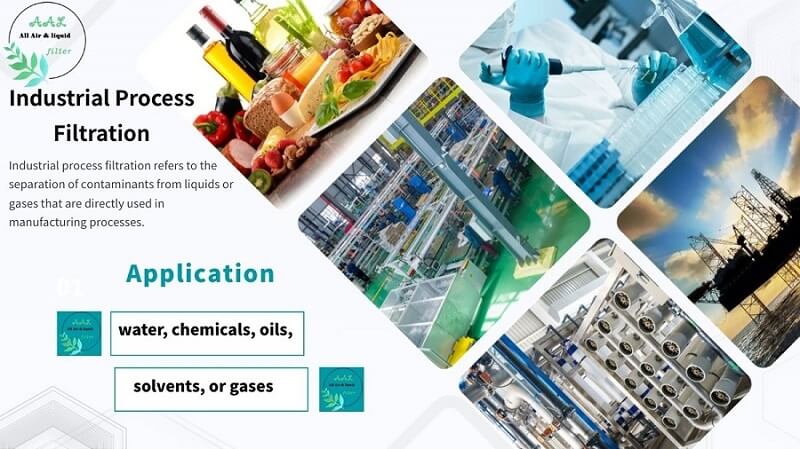
Industrial process filtration refers to the separation of contaminants from liquids or gases that are directly used in manufacturing processes. These contaminants may include suspended solids, organic or inorganic particles, oils, resins, or microorganisms.
The primary goal is not only to protect downstream equipment such as pumps, valves, and membranes but also to maintain the quality and integrity of the final product.
In simple terms:
Industrial filtration: A broad term covering air, liquid, and dust removal.
Process filtration: Focused specifically on the fluids directly involved in industrial production.
For manufacturers, neglecting process filtration can result in costly downtime, damaged machinery, product recalls, and safety risks.
3. Types of Industrial Filtration Methods
Industrial process filtration is not “one size fits all.” Different industries and fluids require different methods of separation. Below are the most widely used techniques:
3.1 Mechanical Filtration
This is the most common form of industrial filtration, performed by filter media that physically traps contaminants.
Surface filtration: Unwanted particles are blocked on the outer surface of the filter medium. Typical examples include pleated cartridges and filter bags.
Depth filtration: Uses gradient-density media, such as melt-blown or string-wound cartridges, to trap particles throughout the filter matrix. Depth filters are particularly effective for capturing a wide range of particle sizes.
3.2 Centrifugal Filtration
Utilizes the force of rapid rotation to separate solids or heavier liquids from lighter fluids. This method is highly effective for semi-liquid slurries or high-solid-content streams.
3.3 Gravity Filtration
A simple method that relies on gravity to push liquid through a filter medium. Often used for clarification processes where high flow rates and low costs are more important than absolute filtration precision.
3.4 Vacuum Filtration
Also called negative pressure or suction filtration, this method uses reduced pressure to accelerate separation. It is widely used in chemical processing and laboratory applications.
3.5 Hot & Cold Filtration
Hot filtration: Conducted at high temperatures to dissolve solids and remove impurities before cooling. Common in crystallization and fine chemical processes.
Cold filtration: Used to remove precipitates or waxes formed at low temperatures, ensuring stability during product use.
3.6 Multi-layer Filtration
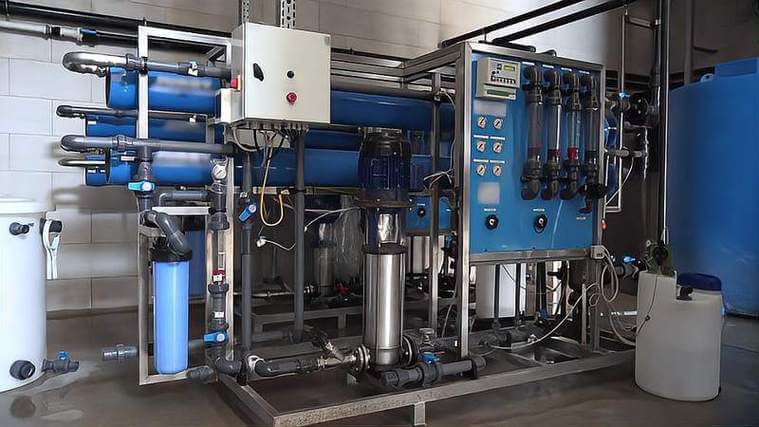
Employs multiple layers of filter media or gravel beds of different sizes. As the liquid flows through, particles are gradually removed at different depths, making it an efficient pretreatment step.
4. Key Considerations When Selecting a Process Filtration System
Every industrial application is unique, and choosing the right system requires careful analysis of several factors:
Particle Size and Micron Rating: Filters are rated in microns (µm). Smaller micron ratings capture finer particles but clog more quickly. For example, a 5-micron cartridge will remove most visible particles, while a 0.2-micron filter is required for sterile pharmaceutical applications.
Operating Conditions: Temperature and pressure must be considered. For fluids above 60°C (140°F) or systems with high operating pressure, robust metal housings or reinforced filter bags are essential.
Chemical Compatibility: Filter materials must withstand the chemistry of the process fluid. Polypropylene is excellent for general water filtration, while nylon or PTFE may be required for aggressive solvents.
System Configuration: Choices include cartridge filters, bag filters, multi-bag housings, and skid-mounted filtration systems. Physical space and process flow rates also influence selection.
Maintenance & Replacement: Consider ease of filter change-out, availability of spare parts, and downtime costs. High-flow cartridge filters, for example, reduce the number of change-outs in large-scale systems.
5. Applications of Industrial Process Filtration Across Industries
Industrial process filtration is indispensable in multiple industries. Below are some of the most critical sectors:
5.1 Water & Wastewater Treatment
Process water must be free from suspended solids and contaminants. Filtration ensures smooth operation of reverse osmosis membranes and protects downstream equipment.
Common solutions: melt-blown cartridges, filter bags, bag filter housings.
5.2 Food & Beverage Industry
From brewing to bottled water production, filtration guarantees product taste, safety, and compliance with food regulations.
Common solutions: food-grade filter cartridges and bag filters.
5.3 Pharmaceutical & Biotechnology
Sterile conditions and ultra-pure liquids are vital in drug production. Even microscopic impurities can compromise product safety.
Common solutions: pleated cartridges, depth filters, and sterilizing-grade membranes.
5.4 Petrochemical & Chemical Industry
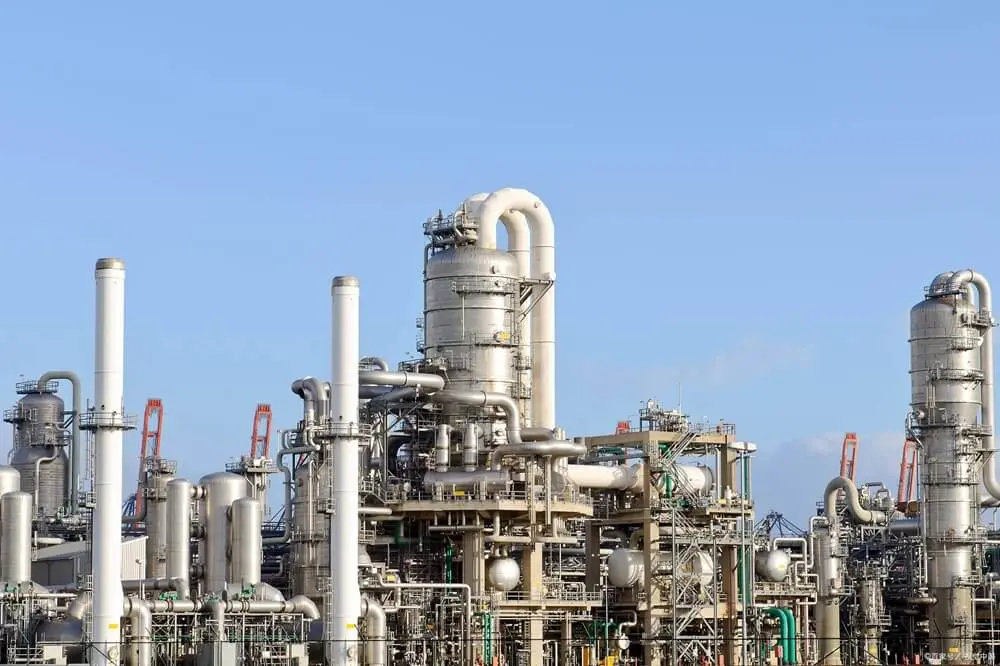
In oil refineries, chemical plants, and polymer production, filtration systems must handle corrosive fluids and high temperatures.
Common solutions: glass fiber cartridges, high-flow filters, and corrosion-resistant housings.
5.5 Microelectronics & Automotive
Electronics manufacturing requires ultra-pure water and clean chemical solutions to prevent defects. Automotive plants rely on filtration to protect lubricants, coolants, and coatings.
Common solutions: ultra-fine filters for microelectronics, cartridge/bag filters for automotive fluids.
6. The Importance of Process Filtration in Industrial Manufacturing
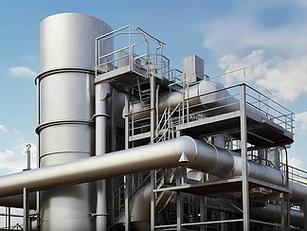
Protecting Expensive Equipment
Unfiltered fluids cause abrasive wear and fouling, leading to costly repairs and downtime. Proper filtration eliminates these risks and extends equipment lifespan.
Ensuring Smooth Operations
By keeping process fluids clean, filtration maximizes uptime, reduces unplanned maintenance, and improves overall efficiency.
Improving Product Quality
Whether it is crystal-clear beverages, defect-free electronics, or sterile pharmaceuticals, filtration ensures consistent product quality.
Ensuring Workplace Safety
Automated filtration systems protect workers by reducing exposure to hazardous contaminants, creating a safer production environment.
7. Innovations and Future Trends in Industrial Process Filtration
As industries demand higher efficiency and sustainability, filtration technology continues to evolve:
High Flow Cartridge Filters: Provide higher flow capacity with fewer change-outs, reducing labor costs.
Membranet Technologies (UF, NF, RO): Often used in combination with pre-filters to achieve precise separation.
Automation & Smart Monitoring: Sensors track pressure differentials and signal when filters need replacement.
Sustainability: Development of recyclable filter media and energy-efficient housings reduces environmental footprint.
8. Conclusion
Industrial process filtration is far more than just removing impurities—it is about ensuring smooth operations, protecting equipment, safeguarding workers, and improving product quality.
From filter cartridges to bag filters and filter housings, choosing the right system is a critical investment in efficiency, safety, and compliance.
At AALfilter, we specialize in designing and manufacturing a wide range of industrial liquid filtration products to meet diverse process needs. If you are looking for reliable process filtration solutions, our team is here to support your projects.